CRM Software
- home //
- CRM Software
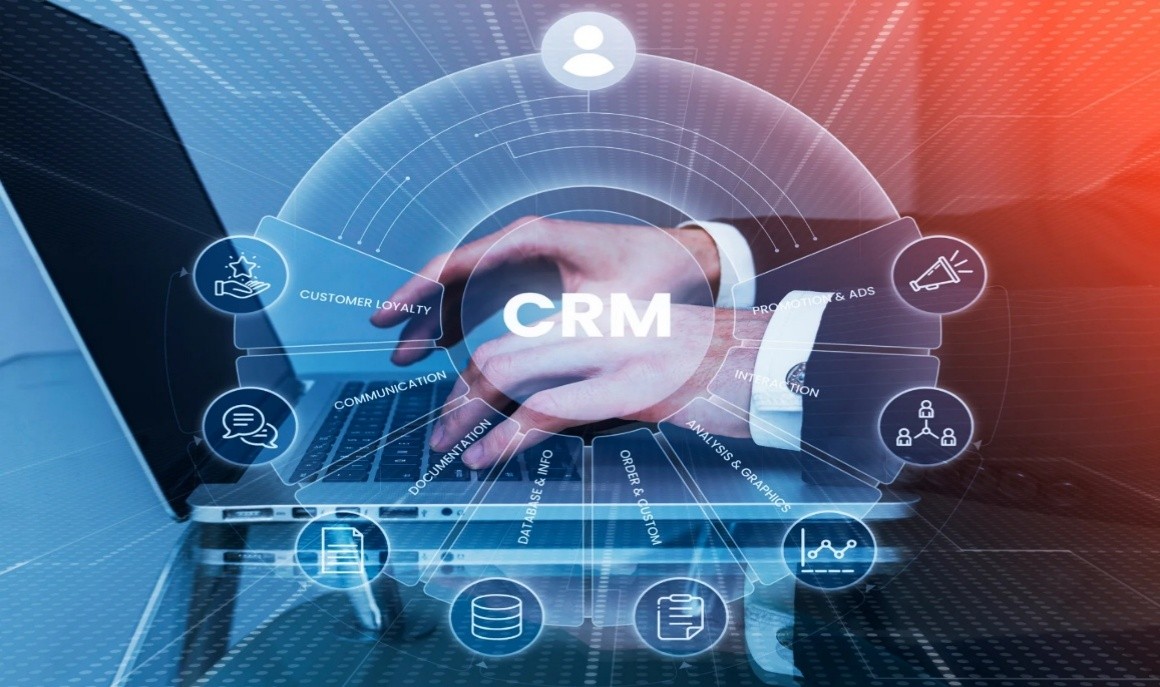
CRM Software
CRM software is used by companies and industries of all sizes. It benefits large enterprises that need to easily track customer activity in one place and share it across departments, small businesses that often need to do more with less and startups looking to be nimble and efficient. You can use a CRM system if you communicate with customers - and if your employees rely on customer information - no matter what industry you are in or even if you are a non-profit.
Customer relationship management software can benefit virtually any department at your company, from sales to service, to IT, to marketing and more. Starting a small business or a large business is easier than you might think.
Core modules of CRM Software
Contact & Account Management:
• The central repository for all customer data, including contact details, interaction history, and company profiles.
Lead Management:
• Tracks potential customers (leads) from identification to conversion into opportunities and, eventually, deals.
Sales Force Automation (SFA):
• Automates the sales lifecycle, including pipeline management, task automation, and activity tracking, often featuring sales forecasting.
Marketing Automation:
• Manages campaigns, audience segmentation, email marketing, and lead nurturing to improve marketing ROI.
Customer Service & Support:
• Manages customer queries, complaints, and issues via ticketing systems to boost retention.
Analytics & Reporting:
• Provides actionable insights, performance dashboards, and data visualization to monitor key metrics.
Workflow Automation & Integration:
• Streamlines internal processes and connects the CRM with other platforms like email, ERP, or social media.
Mobile Access:
• Enables sales teams to access and update CRM data on the go.
Contact & Lead Management:
• Centralized database for all customer info, interactions, and lead tracking, allowing for segmentation and mass actions.
Sales Automation:
• Manages sales processes, tracks opportunities, automates tasks, and helps with sales forecasting.
Marketing Automation:
• Automates campaigns, manages email marketing, and facilitates personalized outreach.
Customer Service & Support:
• Handles support tickets, tracks service requests, and provides a unified view for faster resolutions.
Analytics & Reporting:
• Provides insights into customer behaviour, sales trends, and campaign performance with customizable dashboards.
Workflow Automation:
• Automates repetitive tasks and triggers actions based on customer behaviour, boosting productivity.
Integration:
• Connects with other business tools like email, calendars, accounting software, and websites.
Features of CRM System
Centralized Database & Contact Management:
• Stores all client information—demographics, purchase history, and interaction history—in one accessible location.
Sales Pipeline Management:
• Tracks deals from initiation to closure, enabling forecasting, lead scoring, and automated task management.
Marketing Automation:
• Segment customers, automate email campaigns, manage social media interactions, and analyze campaign performance.
Customer Service & Support:
• Streamlines ticket management, self-service portals, and live chat to improve customer satisfaction.
Analytics & Reporting:
• Provides actionable insights via customizable dashboards to track KPIs, identify trends, and analyze customer behavior.
AI and Automation:
• Uses artificial intelligence for predictive forecasting, automated data entry, and intelligent lead routing.
Integrations & Mobile Access:
• Connects with external tools (email, social media) and allows teams to access data on the go.
Benefits of CRM System
Centralized Customer Data:
• Stores all customer information (history, preferences, interactions) in one place, giving a single, unified view for all teams.
Improved Customer Service & Retention:
• Enables personalized support, faster issue resolution, and proactive engagement, building stronger loyalty and reducing churn.
Increased Sales & Revenue:
• Streamlines sales processes, automates follow-ups, identifies opportunities, and helps forecast sales, boosting overall revenue.
Enhanced Team Collaboration:
• Breaks down silos by allowing sales, marketing, and support to see the same customer information, ensuring consistent messaging.
Greater Efficiency & Productivity:
• Automates routine tasks like emails, reports, and data entry, freeing up staff for more strategic work.
Actionable Analytics & Insights:
• Provides dashboards and reports to analyze trends, understand customer behavior, and make informed business decisions.
Smarter Marketing:
• Allows for precise audience segmentation for targeted campaigns, increasing conversion rates.